
Order Gluten-Free catering for delivery
Great food shouldn't come with exceptions. Whether you need a fully gluten free spread or just want inclusive options, find gluten free caterers near you to keep every guest happy and well-fed.
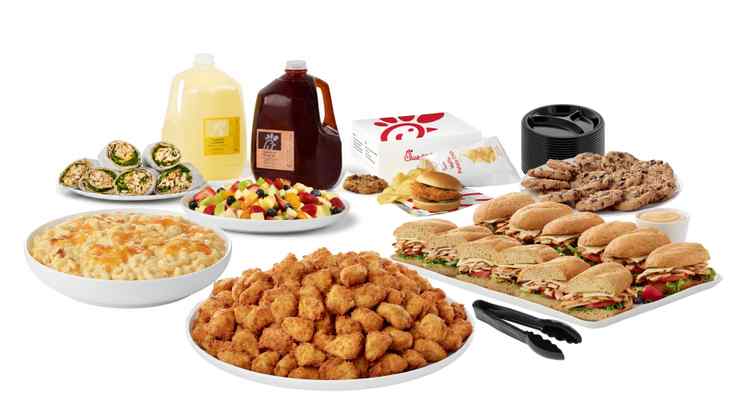
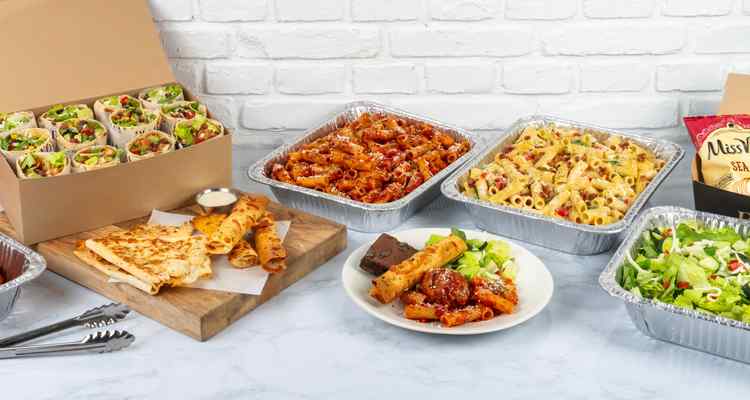
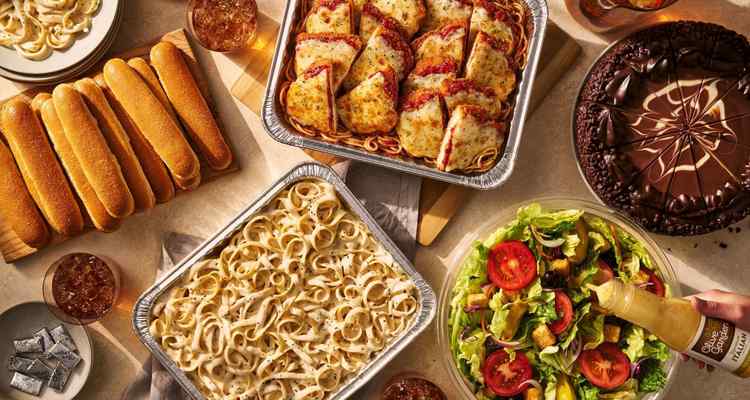
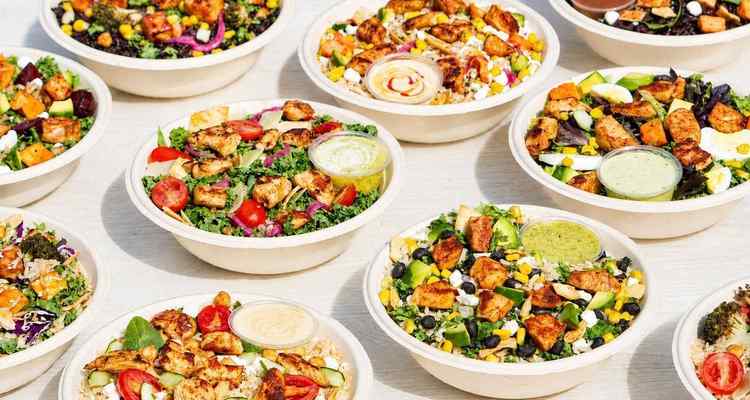
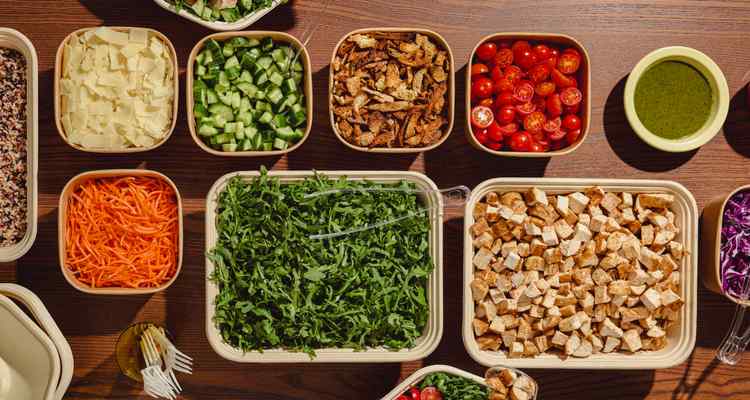
The workplace food platform
Order catering from over 100,000 restaurants nationwide — all on one platform.
A huge variety of food teams love
Find breakfast, lunch, dinner, snacks, or treats for any size group, with tools to help meet dietary needs.

Everything in one place
Manage orders, save favorites, stay on budget, access receipts, simplify expenses, and more.

Order and be rewarded
Earn rewards points on every order, redeemable for gift cards or dollars off future orders.
FAQ about gluten-free catering
Gluten-free food may seem like a dietary trend, but the truth is that gluten allergies and sensitivities are very real. Choosing caterers that can make accommodations for diners who need to avoid gluten makes your spread more inclusive. Besides, many naturally gluten-free dishes are inherently delicious, providing lots of flavor without that one pesky ingredient that could take someone’s day from awesome to utterly uncomfortable.
Middle Eastern, Japanese, Thai, Latin American, Mexican, Indian, and Greek cuisine all offer tons of recipes that are already gluten-free — no changes required. Look for menus that are heavy on rice and corn versus bread and pasta, request that buffets and other self-serve areas are properly labeled, and always double-check with caterers to see how and where dishes are prepared.
There are so many foods that are naturally gluten-free. Unless these ingredients have been treated or are packaged with additives, they are very likely safe:
- Corn tortillas
- Quinoa
- Rice
- Polenta
- All animal proteins, including red meat, game meat, poultry, and seafood
- All fruits and vegetables
- Beans
- Tofu
- Dairy products (watch out for thickeners and additives)
Here are some popular gluten-free menu ideas that would work well for a catered lunch or other corporate catering opportunity:
- Baked potato bar
- Tacos bar (use corn tortillas)
- Risotto
- Indian biryani (spiced rice with chicken or lamb)
- Seafood or vegetable paella
- Vietnamese pho (brothy soup made with rice noodles)
- Nachos
- Shrimp and grits
- Middle Eastern spreads like hummus, baba ganoush, and tzatziki (just use GF crackers or veggies for dipping)
- Steak and potatoes
- Lettuce wraps (works with sandwich ingredients, burgers, or even tuna or chicken salad)
- Crustless quiche
- Cauliflower crust pizza
- Caesar salad (use Parmesan tuiles instead of croutons)
- Grilled fish with mango and avocado salsa
- Charcuterie boards
- Gazpacho
- Thai soup with coconut milk
Ask potential caterers how they store, prepare, transport, and serve gluten-free items. The biggest concern will be cross-contamination — if a dish containing gluten is served in the same hotel pan or is using the same serving spoon as a gluten-free dish, the risk of exposure is high. Even a few crumbs left behind by gluten-rich bread could harm a gluten-avoidant guest who eats tomatoes cut on that same cutting board.
It’s also vital that caterers and waitstaff, if applicable, are aware of which ingredients — including condiments and packaged snacks — may contain gluten. Sometimes gluten sneaks into surprising places, such as:
- Stock cubes
- Packaged grains
- Gravy mixes
- Dry roasted nuts
- Sausages
- Worcestershire sauce
- Salad dressings
- Vegetarian meat substitutes, like seitan
- Prepared sauces, like sausage gravy and red wine reductions
- Soups, like clam chowder and lobster bisque
It can be helpful for caterers to label dishes with allergy and dietary designations, such as a green leaf for vegetarian dishes and a capital G for dishes containing gluten.
There are organizations like the Gluten-Free Food Program (GFFP) that provide allergen training, gluten-free training, and gluten-free certification for restaurants and food service establishments. GFFP is endorsed by the National Celiac Association, too.
But there’s no reason to assume non-GFFP-certified caterers won’t be diligent about preventing cross-contamination and preparing safe gluten-free dishes. Feel free to ask operators how they prepare food, what training they’ve participated in or given their team in regard to allergies, and how they’ll ensure safe and delicious deliveries that everyone can enjoy.
Approximately 1% of Americans, or 1 in every 133 people, have celiac disease, an autoimmune condition that causes severe reactions to gluten. An estimated 6% of people in the United States are classified as gluten-intolerant — they’re not clinically allergic to gluten, but they tend to get sick after eating it. Given those numbers, it’s very likely someone in a 20-person office or at a 50-person client event will be gluten sensitive/intolerant. That makes it even more important to approve an inclusive catering menu that takes everyone's needs and preferences into account.